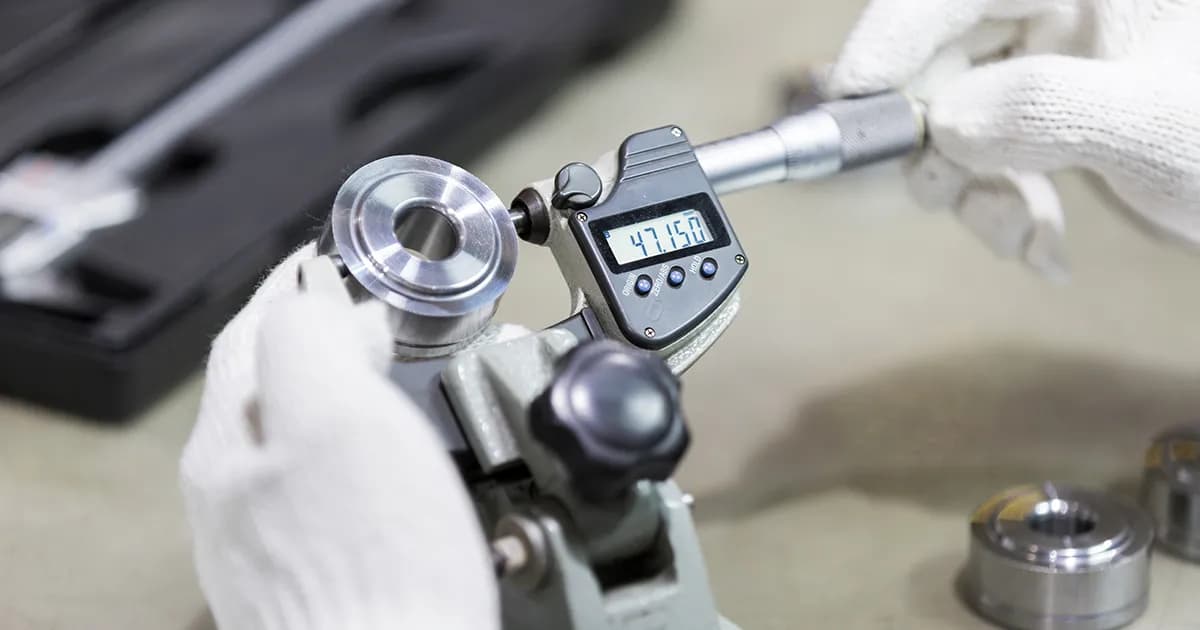
How to Calibrate Temperature Gauges for Industrial Accuracy: Best Practices for Saudi Arabian Businesses
Temperature gauge calibration is essential for maintaining accurate measurements, product quality, and operational safety across industrial applications. Regular Temperature Calibration Services help prevent measurement errors, improve process reliability, and ensure compliance with ISO 17025 and industry standards. Following proper calibration procedures and maintaining accurate records supports consistent equipment performance and long-term operational efficiency.
Understanding the Importance of Calibrating Temperature Gauges
Grasping why precise temperature calibration matters is like finding the perfect recipe for success. In industrial settings, accuracy is key. It ensures processes are not just efficient but comply with required standards. Calibration is our method for guaranteeing that gauges provide trustworthy readings, a must for industries such as pharmaceuticals and food processing. Without it, we risk costly mistakes. Ensuring compliance and efficiency is akin to maintaining a well-oiled machine. Regular calibration checks ensure everything stays on track. It’s like having a reliable compass in the wilderness. Curious about how calibration boosts efficiency? Our detailed discussions cover this in depth right here.
Approaching the task of calibrating temperature gauges requires more than just a steady hand. We need the right gear to ensure precision. ISO 17025 accredited equipment tops the list, ensuring our tools are up to snuff. The environment also plays a pivotal role. A controlled setting can make the difference between accurate and inaccurate readings. Preparing involves gathering these tools and establishing a workspace free from external interference. We emphasize the importance of meticulous documentation, capturing every detail to enhance traceability. By being thorough, we minimize the likelihood of errors. This diligence pays off, paving the way for consistent and reliable industrial processes.
When gathering the gear for calibrating temperature gauges, we’ve got a checklist. Reference thermometers are crucial, providing baseline accuracy. Then, dry block calibrators and liquid baths are our trusty sidekicks, offering reliable environments for testing. Calibration software and logging tools round out the lineup, keeping our data organized.
Think of it like a well-tuned orchestra; every piece plays a role. Each tool must meet ISO standards to hit the right notes. We ensure that traceability leads back to national or international benchmarks. With these instruments in hand, we can tackle calibration confidently, avoiding any off-key surprises. Embrace the precision and accuracy that these essential tools bring to the table.
Essential Tools and Preparation for Calibrating Temperature Gauges
Approaching the task of calibrating temperature gauges requires more than just a steady hand. We need the right gear to ensure precision. ISO 17025 accredited equipment tops the list, ensuring our tools are up to snuff. The environment also plays a pivotal role. A controlled setting can make the difference between accurate and inaccurate readings. Preparing involves gathering these tools and establishing a workspace free from external interference. We emphasize the importance of meticulous documentation, capturing every detail to enhance traceability. By being thorough, we minimize the likelihood of errors. This diligence pays off, paving the way for consistent and reliable industrial processes.
Required Equipment For Calibrating Temperature Gauges
When gathering the gear for calibrating temperature gauges, we’ve got a checklist. Reference thermometers are crucial, providing baseline accuracy. Then, dry block calibrators and liquid baths are our trusty sidekicks, offering reliable environments for testing. Calibration software and logging tools round out the lineup, keeping our data organized.
Think of it like a well-tuned orchestra; every piece plays a role. Each tool must meet ISO standards to hit the right notes. We ensure that traceability leads back to national or international benchmarks. With these instruments in hand, we can tackle calibration confidently, avoiding any off-key surprises. Embrace the precision and accuracy that these essential tools bring to the table.
Setting Up the Environment For Calibrating Temperature Gauges
Establishing the right calibration environment is like setting the stage for a flawless performance. We need a stable setup to minimize errors, ensuring our temperature gauges are spot-on. Key tools include ISO 17025 accredited devices, a controlled workspace, and meticulous documentation. Imagine it as a master chef’s kitchen, everything has its place and purpose. It’s crucial to eliminate outside interference, allowing our instruments to shine. For those ready to maximize fabrication techniques, our insights may prove invaluable here. Being thorough in this setup creates a reliable foundation, ensuring that our temperature readings meet the high standards expected in industries like food processing and pharmaceuticals.
Step-by-Step Temperature Gauge Calibration
Engaging in the intricacies of calibrating temperature gauges involves several crucial steps. Begin by securing the necessary equipment, such as reference thermometers and dry block calibrators. Ensure each tool is ISO 17025 accredited, allowing us to maintain a consistent and controlled environment. Once our setup is ready, we focus on gauge preparation, confirming it’s clean and functioning correctly. Calibration follows, where we test against known temperature standards, recording any discrepancies. This meticulous process guarantees our gauges provide precise readings. Documenting findings is essential, capturing “as found/as left” data for future reference. Regular recalibration is advisable to maintain long-term accuracy. With these steps, we can ensure industrial processes run smoothly.
When setting up the gauge, the first step is checking both specifications and previous calibration records. This helps us identify any quirks or adjustments needed. We ensure the gauge is clean and in working order, nobody wants a dusty sensor throwing a wrench in the works! Our toolkit? Reference thermometers and calibration software ready to rock. We verify each tool’s calibration credentials, ensuring they’re up to snuff and meet national standards. With the tools and gauge in harmony, we’re poised for precision. Attention to detail is our north star, guiding us through each step. By maintaining rigorous standards, we ensure Calibrating Temperature Gauges are ready for any challenge that comes their way.
Moving into the calibration process, our approach to How to Calibrate Temperature Gauges hinges on precision. We start by comparing gauge readings with a reference standard, ensuring they’re in sync. If discrepancies arise, adjustments are made to tighten accuracy. This dance of numbers demands patience and a keen eye. Picture us fine-tuning a musical instrument, striving for perfect harmony. Each step involves checking and rechecking until the gauge sings the right tune. It’s all about aligning every note, so to speak, with our expected standards. Through this meticulous process, we ensure that our temperature gauges consistently deliver reliable and precise readings, supporting industrial processes to run smoothly.
Keeping tabs on calibration results and ensuring adherence to standards is crucial for success. We emphasize documenting results meticulously and issuing calibration certificates, as these are essential steps in maintaining industrial compliance. When we calibrate temperature gauges, the records serve as a GPS, guiding us through audits and quality checks.
This isn’t just paperwork; it’s our safety net. Calibration documents highlight every twist and turn, ensuring we’re on the right path. Our web-based portal organizes this data, making it accessible and foolproof. Just like a well-oiled machine, these records keep operations smooth. So, while calibrating temperature gauges, let’s keep our focus sharp, ensuring every detail is captured.
Preparing the Gauge
When setting up the gauge, the first step is checking both specifications and previous calibration records. This helps us identify any quirks or adjustments needed. We ensure the gauge is clean and in working order, nobody wants a dusty sensor throwing a wrench in the works! Our toolkit? Reference thermometers and calibration software ready to rock. We verify each tool’s calibration credentials, ensuring they’re up to snuff and meet national standards. With the tools and gauge in harmony, we’re poised for precision. Attention to detail is our north star, guiding us through each step. By maintaining rigorous standards, we ensure Calibrating Temperature Gauges are ready for any challenge that comes their way.
Performing Calibration
Moving into the calibration process, our approach to How to Calibrate Temperature Gauges hinges on precision. We start by comparing gauge readings with a reference standard, ensuring they’re in sync. If discrepancies arise, adjustments are made to tighten accuracy. This dance of numbers demands patience and a keen eye. Picture us fine-tuning a musical instrument, striving for perfect harmony. Each step involves checking and rechecking until the gauge sings the right tune. It’s all about aligning every note, so to speak, with our expected standards. Through this meticulous process, we ensure that our temperature gauges consistently deliver reliable and precise readings, supporting industrial processes to run smoothly.
Recording and Compliance
Keeping tabs on calibration results and ensuring adherence to standards is crucial for success. We emphasize documenting results meticulously and issuing calibration certificates, as these are essential steps in maintaining industrial compliance. When we calibrate temperature gauges, the records serve as a GPS, guiding us through audits and quality checks.
This isn’t just paperwork; it’s our safety net. Calibration documents highlight every twist and turn, ensuring we’re on the right path. Our web-based portal organizes this data, making it accessible and foolproof. Just like a well-oiled machine, these records keep operations smooth. So, while calibrating temperature gauges, let’s keep our focus sharp, ensuring every detail is captured.
Common Challenges and Best Practices of Calibrating Temperature Gauges
Navigating the challenges of calibrating temperature gauges requires both vigilance and a strategic approach. Dealing with inaccurate readings can be a headache. We’ve all been there, scratching our heads wondering what’s gone wrong. Regular checks and a solid preventive maintenance plan can save us from surprises. Recalibration isn’t a once-and-done deal; it’s a recurring commitment. Let’s not forget the human element, our dedicated team makes a world of difference. They bring experience and intuition, spotting issues before they snowball. Incorporating these practices ensures our calibration efforts are more than just routine, they become a robust system. It’s all about keeping our processes as smooth as silk.
When tackling the issue of inaccurate readings, environmental factors and gauge malfunctions often play a role. Heat fluctuations or humidity can skew results. We need to ensure gauges are in optimal conditions, free from such interference. Regular checks and recalibrations keep everything on the straight and narrow. A wonky gauge is like a compass gone haywire, it’s bound to lead us astray. By isolating potential malfunctions, we identify what’s off-key. Is it a faulty sensor or a calibration oversight? Investigating these aspects helps us maintain accuracy. A consistent recalibration schedule is our safety net, preventing small issues from spiraling into major headaches. Keeping a keen eye ensures we catch errors early.
Achieving accuracy over time with temperature gauges demands regular calibration schedules and maintenance. This isn’t just about ticking boxes; it’s about ensuring precision day in, day out. Regular checks and recalibrations are crucial, like a well-rehearsed dance. We know how unpredictable these gauges can be, with the potential for error lurking around every corner. Establishing a routine is our best defense, ensuring surprises stay at bay. It’s like nurturing a garden, consistent care keeps everything flourishing. With a dedicated team, vigilant monitoring, and the right tools, we tackle the most stubborn issues head-on. This commitment means our gauges remain reliable, delivering the accuracy our industries depend on.
Calibration isn’t just a technical process; it’s a commitment to excellence. When we calibrate temperature gauges with precision, we ensure that every reading is spot-on. This accuracy isn’t just numbers on a screen; it translates to safer workplaces and higher-quality products.
Let’s face it, nobody wants a faulty gauge leading to a mishap. Our efforts in ensuring precise calibration are like laying a solid foundation for a building. It might not be glamorous, but it’s absolutely necessary. As we continue refining our methods, we’re not just keeping up with industry standards. We’re setting the bar higher for ourselves and others. Here’s to accurate measurements and the peace of mind they bring!
Troubleshooting Inaccurate Readings
When tackling the issue of inaccurate readings, environmental factors and gauge malfunctions often play a role. Heat fluctuations or humidity can skew results. We need to ensure gauges are in optimal conditions, free from such interference. Regular checks and recalibrations keep everything on the straight and narrow. A wonky gauge is like a compass gone haywire, it’s bound to lead us astray. By isolating potential malfunctions, we identify what’s off-key. Is it a faulty sensor or a calibration oversight? Investigating these aspects helps us maintain accuracy. A consistent recalibration schedule is our safety net, preventing small issues from spiraling into major headaches. Keeping a keen eye ensures we catch errors early.
Ensuring Long-Term Accuracy
Achieving accuracy over time with temperature gauges demands regular calibration schedules and maintenance. This isn’t just about ticking boxes; it’s about ensuring precision day in, day out. Regular checks and recalibrations are crucial, like a well-rehearsed dance. We know how unpredictable these gauges can be, with the potential for error lurking around every corner. Establishing a routine is our best defense, ensuring surprises stay at bay. It’s like nurturing a garden, consistent care keeps everything flourishing. With a dedicated team, vigilant monitoring, and the right tools, we tackle the most stubborn issues head-on. This commitment means our gauges remain reliable, delivering the accuracy our industries depend on.
Wrapping Up
Calibration isn’t just a technical process; it’s a commitment to excellence. When we calibrate temperature gauges with precision, we ensure that every reading is spot-on. This accuracy isn’t just numbers on a screen; it translates to safer workplaces and higher-quality products.
Let’s face it, nobody wants a faulty gauge leading to a mishap. Our efforts in ensuring precise calibration are like laying a solid foundation for a building. It might not be glamorous, but it’s absolutely necessary. As we continue refining our methods, we’re not just keeping up with industry standards. We’re setting the bar higher for ourselves and others. Here’s to accurate measurements and the peace of mind they bring!
Recent Blogs

Fixed vs Portable Gas Detectors: Which Is Right for Your Facility
August 12, 2026
The Importance of Reliable Industrial Material Suppliers for Project Success
August 10, 2026

How Choosing the Right Industrial Material Supplier Reduces Project Costs
July 17, 2026
How Pressure Gauge Calibration Improves Industrial Safety and Process Efficiency
July 13, 2026
Civil Testing: Soil and Concrete Testing for Safe and Reliable Construction
June 24, 2026