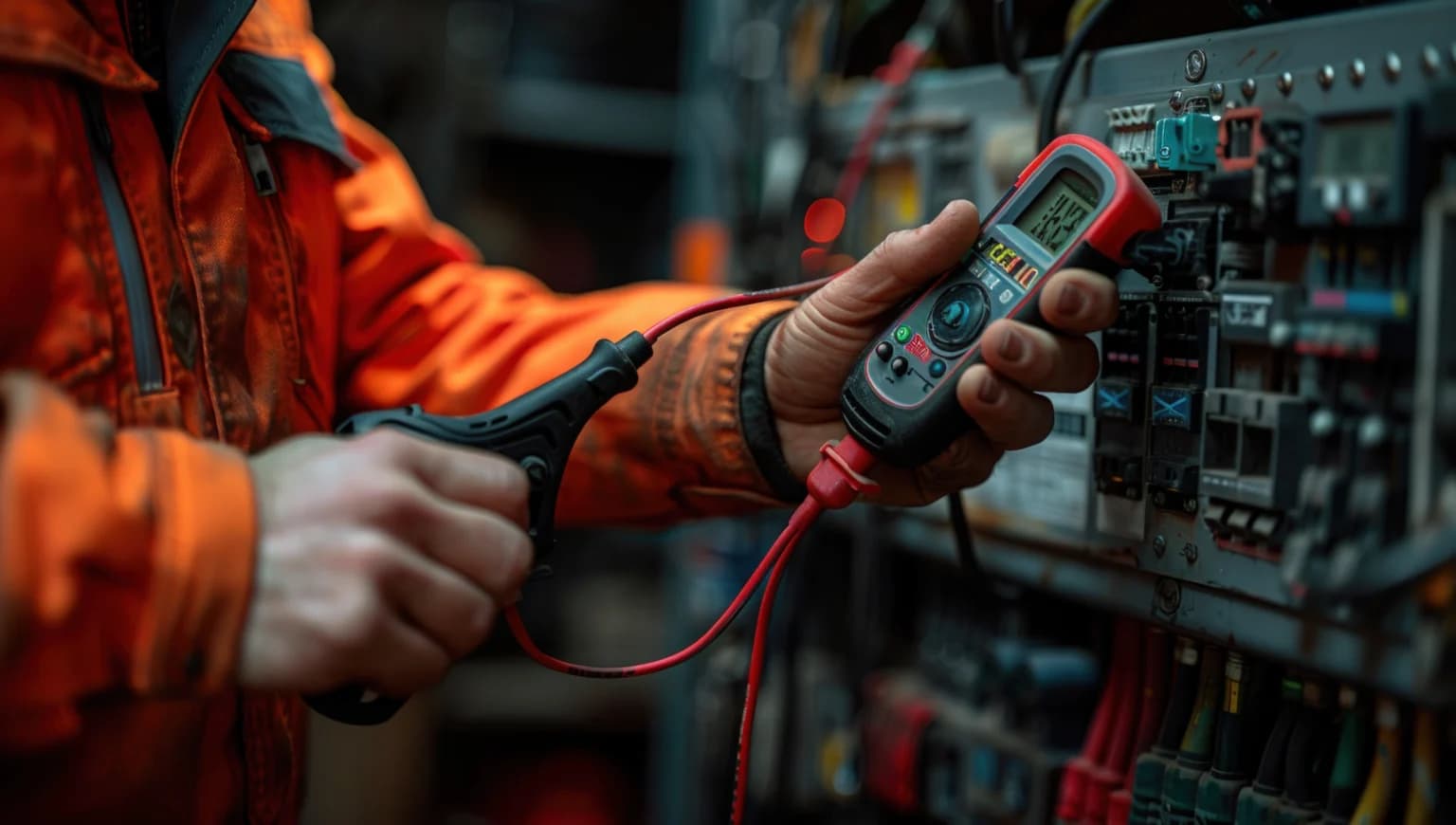
7 Warning Signs Your Electrical Testing Equipment Requires Calibration
Electrical testing equipment calibration is essential for maintaining accurate measurements, safe operations, and reliable performance across industrial and engineering environments. Regular calibration helps detect measurement drift caused by continuous use, environmental conditions, and component wear, ensuring dependable testing results. Accurate electrical testing equipment supports operational efficiency, regulatory compliance, reduced maintenance risks, and long-term equipment reliability.
Understanding Electrical Equipment Calibration
Electrical calibration is the process of verifying the accuracy of testing instruments by comparing them against certified reference standards. The goal is to ensure that the instrument continues operating within its specified measurement tolerance.
Calibration is commonly performed for:
1. Measurement Readings Begin to Fluctuate
Unstable or inconsistent readings are often the first indication that calibration may be required.
A properly functioning electrical instrument should deliver repeatable measurements under the same testing conditions. When readings begin changing unexpectedly, the instrument may no longer be measuring accurately.
Common signs include:
2. Test Results Differ From Verified Instruments
Electrical testing equipment should produce readings that closely align with certified reference devices.
When instruments measuring the same parameter begin showing noticeably different values, calibration drift may already be affecting measurement accuracy.
This issue can impact:
3. Electrical Troubleshooting Is Taking Longer Than Usual
Inaccurate testing equipment often leads to inaccurate diagnostics.
When instruments lose measurement precision, technicians may struggle to identify the actual source of electrical faults. This can result in repeated inspections, unnecessary repairs, and increased maintenance time.
Operational consequences may include:
4. The Equipment Operates in Demanding Industrial Environments
Harsh industrial environments accelerate calibration drift.
Electrical testing instruments are frequently exposed to conditions that affect measurement stability, including:
Environmental stress directly affects long-term instrument accuracy.
5. The Instrument Has Experienced Physical Impact
Field testing equipment is regularly transported between locations and exposed to accidental drops or rough handling.
Even when no visible external damage exists, internal measurement components may still be affected.
Potential warning signs include:
6. Calibration Certificates Are Expired
An expired calibration certificate means there is no current verification that the instrument continues operating within acceptable accuracy limits.
This creates compliance concerns for organizations operating under:
Outdated calibration records can lead to:
7. Operational Efficiency Is Gradually Declining
Measurement inaccuracies often create operational problems gradually rather than immediately.
Uncalibrated electrical testing equipment can contribute to:
Small measurement deviations can eventually affect larger operational systems.
Preventive calibration helps organizations maintain stable and efficient performance.
Calibration is commonly performed for:
- Digital multimeters
- Clamp meters
- Insulation resistance testers
- Earth resistance testers
- Power analyzers
- Process calibrators
- Voltage and current measuring instruments
- Accurate diagnostics
- Stable process performance
- Reliable maintenance operations
- Workplace safety
- Compliance with quality standards
- Operational consistency
1. Measurement Readings Begin to Fluctuate
Unstable or inconsistent readings are often the first indication that calibration may be required.
A properly functioning electrical instrument should deliver repeatable measurements under the same testing conditions. When readings begin changing unexpectedly, the instrument may no longer be measuring accurately.
Common signs include:
- Voltage readings varying during repeated tests
- Current measurements changing unexpectedly
- Irregular continuity results
- Unstable insulation resistance values
2. Test Results Differ From Verified Instruments
Electrical testing equipment should produce readings that closely align with certified reference devices.
When instruments measuring the same parameter begin showing noticeably different values, calibration drift may already be affecting measurement accuracy.
This issue can impact:
- Electrical diagnostics
- Preventive maintenance
- Energy monitoring
- Equipment performance analysis
- Safety inspections
3. Electrical Troubleshooting Is Taking Longer Than Usual
Inaccurate testing equipment often leads to inaccurate diagnostics.
When instruments lose measurement precision, technicians may struggle to identify the actual source of electrical faults. This can result in repeated inspections, unnecessary repairs, and increased maintenance time.
Operational consequences may include:
- Incorrect fault identification
- Repeated troubleshooting procedures
- Unnecessary component replacement
- Increased downtime
- Reduced maintenance efficiency
4. The Equipment Operates in Demanding Industrial Environments
Harsh industrial environments accelerate calibration drift.
Electrical testing instruments are frequently exposed to conditions that affect measurement stability, including:
- High operating temperatures
- Humidity and moisture
- Dust contamination
- Mechanical vibration
- Electromagnetic interference
Environmental stress directly affects long-term instrument accuracy.
5. The Instrument Has Experienced Physical Impact
Field testing equipment is regularly transported between locations and exposed to accidental drops or rough handling.
Even when no visible external damage exists, internal measurement components may still be affected.
Potential warning signs include:
- Delayed measurement response
- Intermittent functionality
- Sudden reading variation
- Display instability
6. Calibration Certificates Are Expired
An expired calibration certificate means there is no current verification that the instrument continues operating within acceptable accuracy limits.
This creates compliance concerns for organizations operating under:
- ISO quality management systems
- Industrial audit requirements
- Safety compliance procedures
- Regulatory inspection standards
Outdated calibration records can lead to:
- Audit non-conformance
- Reduced traceability
- Compliance risks
- Delays in operational approvals
7. Operational Efficiency Is Gradually Declining
Measurement inaccuracies often create operational problems gradually rather than immediately.
Uncalibrated electrical testing equipment can contribute to:
- Process instability
- Reduced equipment performance
- Energy inefficiencies
- Maintenance errors
- Unexpected operational interruptions
Small measurement deviations can eventually affect larger operational systems.
Preventive calibration helps organizations maintain stable and efficient performance.
Why Preventive Electrical Calibration Matters
Preventive calibration helps organizations identify measurement deviations before they affect operations.
Regular electrical calibration supports:
Accurate measurements support operational confidence.
Reliable instruments support long-term operational stability.
Regular electrical calibration supports:
- Accurate maintenance decisions
- Improved process reliability
- Better energy management
- Reduced operational downtime
- Safer working environments
- Consistent measurement performance
Accurate measurements support operational confidence.
Reliable instruments support long-term operational stability.
How Frequently Should Electrical Testing Equipment Be Calibrated?
Calibration intervals depend on several operational factors, including:
Most electrical testing equipment is calibrated every 6 to 12 months. Instruments used in demanding industrial applications may require more frequent calibration schedules.
Routine calibration helps reduce unexpected measurement failures and maintain consistent performance.
- Equipment usage frequency
- Environmental conditions
- Instrument criticality
- Manufacturer recommendations
- Compliance requirements
Most electrical testing equipment is calibrated every 6 to 12 months. Instruments used in demanding industrial applications may require more frequent calibration schedules.
Routine calibration helps reduce unexpected measurement failures and maintain consistent performance.
Professional Electrical Calibration Services by Prime Innovation
At Prime Innovation, we provide professional electrical calibration services designed to maintain measurement accuracy, operational reliability, and compliance confidence.
Our calibration capabilities support a wide range of electrical testing instruments used across industrial and commercial applications.
We help organizations maintain:
Our calibration services support industries where precision, safety, and performance are critical.
Our calibration capabilities support a wide range of electrical testing instruments used across industrial and commercial applications.
We help organizations maintain:
- Reliable measurement accuracy
- Consistent operational performance
- Compliance with international standards
- Improved equipment reliability
- Long-term operational confidence
Our calibration services support industries where precision, safety, and performance are critical.
Recent Blogs
Fixed vs Portable Gas Detectors: Which Is Right for Your Facility
August 12, 2026

The Importance of Reliable Industrial Material Suppliers for Project Success
August 10, 2026

How Choosing the Right Industrial Material Supplier Reduces Project Costs
July 17, 2026

How Pressure Gauge Calibration Improves Industrial Safety and Process Efficiency
July 13, 2026

Civil Testing: Soil and Concrete Testing for Safe and Reliable Construction
June 24, 2026